
Beyond Basics: The Best Practices for Wig Protection and Hair Care
As a proud wig wearer, you already understand the transformative power of a great style. In my last post, we touched upon the "Maintenance and Care of Wig Hairstyles"—the foundational steps to keep your piece looking its best. But today, we are going deeper.
True wig care isn't just about maintenance; it's about protection. Whether you wear a wig for fashion, convenience, or medical reasons, treating it as an investment is key. Here are the advanced, best-in-class practices to ensure your wig remains flawless, from the inside out.
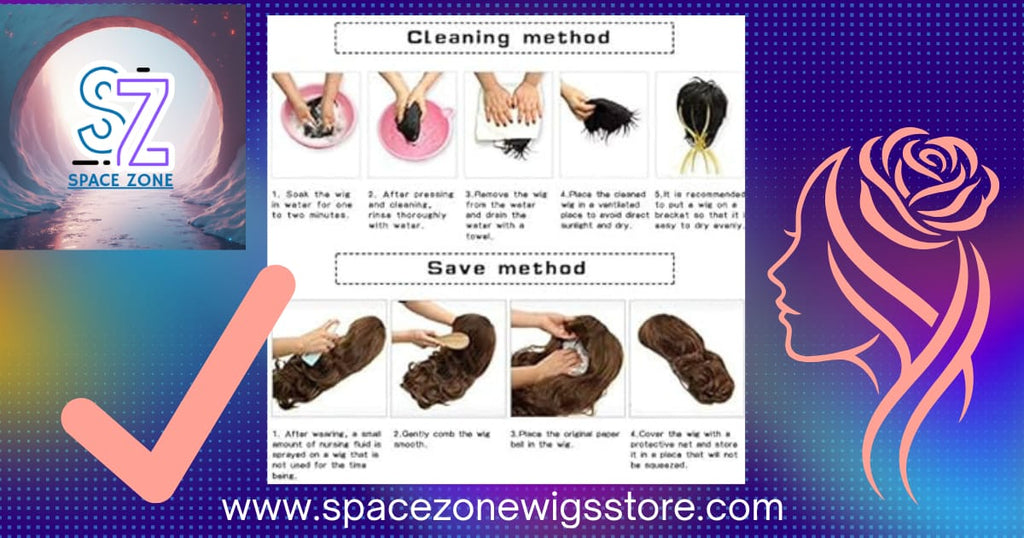
1. The Art of Washing: Less is More
One of the biggest misconceptions is that wigs need frequent washing. Over-washing strips the fibers (synthetic) or cuticles (human hair), leading to dryness and frizz.
-
Frequency: Wash your wig only after every 8–12 wears, or when you notice product buildup.
-
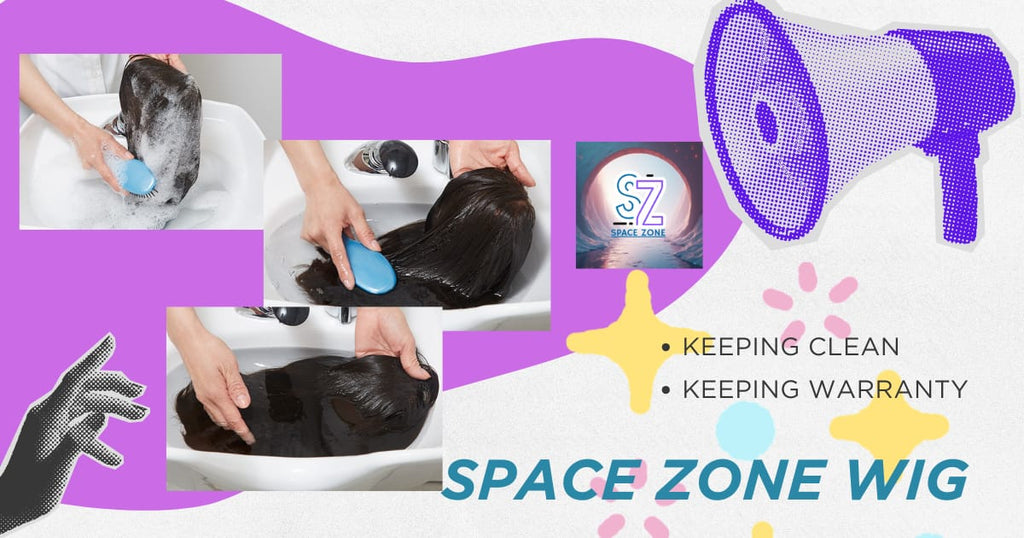
The Method: Always use lukewarm water. For synthetic wigs, use a specially formulated synthetic shampoo; regular shampoo is too harsh. For human hair wigs, use sulfate-free, moisturizing shampoo. Never scrub—swirl the wig gently in the water and let the suds do the work.
2. The Silk or Satin Rule
This is the golden rule of wig protection. Cotton pillowcases and fabric headbands are the enemy of wig longevity.
-
Sleeping: Always wear a satin or silk scarf or use a satin pillowcase. This prevents the friction that causes tangling, matting, and cuticle damage.
-
Underneath: If you wear a wig cap, opt for a bamboo or silk blend. This protects your natural hair (alopecia prevention) and prevents the wig cap from absorbing the wig's natural oils, which keeps the wig hydrated longer.
3. The Art of "Resting"
Just like your natural hair, a wig needs to rest to maintain its shape.
-
The Mannequin Head: Never leave your wig on a hook or thrown over a chair. This stretches the cap and distorts the shape. Invest in a canvas or styrofoam mannequin head. When the wig is dry, place it on the stand to allow the fibers to settle back into their original position.
-
Rotation: If you wear wigs daily, consider having two in rotation. Giving a wig 24–48 hours to "breathe" between wears dramatically extends its lifespan.
4. Heat Management (For Heat-Friendly and Human Hair Wigs)
Heat is the fastest way to ruin a non-heat-friendly synthetic wig. For those that are heat-friendly, caution is still paramount.
-
Lowest Setting: Always start at the lowest heat setting. Prolonged high heat will permanently alter the fiber's memory.
-
Heat Protectant: Never apply heat to a dry wig. Use a thermal protectant spray specifically designed for wigs to create a barrier and add shine.
5. Deep Conditioning & Detangling
Hydration is the secret to a natural-looking wig.
-
Detangling: Always detangle from the ends moving upward to the roots. Use a wide-tooth comb or a wig brush. Never brush a wet wig aggressively; the fibers are most fragile when wet.
-
Deep Conditioning: For human hair wigs, a deep conditioning mask once a month is vital. For synthetic wigs, a silicone-based "wig conditioner" (not rinse-out) helps seal the cuticle and maintain that natural, healthy sheen.
6. Storage Matters
Where you store your wig when you aren’t wearing it determines how long it stays looking new.
-
Keep it Cool: Avoid storing wigs in direct sunlight or in the bathroom where humidity fluctuates. UV rays can fade the color, and moisture can encourage mold on the wig cap.
-
Original Packaging: If you are traveling, store your wig in a silk bag or the original styrofoam head it came with to maintain the style.
Final Thoughts
Moving beyond basic maintenance into the realm of intentional protection is what separates a "wig owner" from a "wig connoisseur." By implementing these practices—specifically the silk/satin rule and proper resting techniques—you ensure that your wig not only lasts longer but looks more natural and expensive with every wear.
Have questions about specific wig materials? Drop a comment below—I’d love to help you curate the perfect care routine.
Related post
20
May

15
May
RECENT POSTS

20.May.2026
The Advanced Wig Care Bible – From Fiber-Specific Protocols to Professional Restoration
0 Comments
15.May.2026
How a Comfortable & Natural-Looking Wig Is Made – From Factory Production to Perfect Fit
0 Comments

06.May.2026
